
Optional Activities
Water in All Three States
In one tray, place ice cubes; in a cup, pour room-temperature water; boil a little water on the stove and watch the steam. Observe all three states of water in the same session. Connect to Earth's water cycle and why liquid water at the surface is the key ingredient for life.
Ocean Slime & the Water Cycle
The water cycle describes how water continuously moves through evaporation, condensation, precipitation, and collection. Create ocean-themed slime to model these processes in a hands-on way. As they stretch and move the slime, it represents evaporation as water rises into the air, while clumping and folding models condensation as clouds form. When slime drips or pulls downward, it represents precipitation, and the ocean-themed materials inside show collection as water gathers in oceans, lakes, and rivers before the cycle begins again.
Basic slime recipe
The Amazing Atmosphere
Earth’s atmosphere is a layer of gases held in place by gravity that makes life possible by providing air, regulating temperature, and protecting the planet from space hazards. Build or draw layered rings around Earth to represent the different layers of the atmosphere, including where weather happens and where Earth is protected from harmful radiation. This helps them understand that the atmosphere is not just “air,” but a structured system that keeps Earth stable and habitable.
More information
The Goldilocks Zone: Why Earth Is Just Right for Life
Earth is located in the “Goldilocks Zone,” a region around the Sun where temperatures are just right for liquid water to exist. Model the solar system and identify where Earth sits compared to other planets. They explore why Earth can support life while planets that are too close or too far from the Sun cannot, and begin to understand that being in this zone is important, but not the only requirement for a planet to be habitable.
More information
Ocean Origins Debate
Where did Earth's water come from? Research two competing hypotheses, water-rich asteroids and comets vs. volcanic outgassing from Earth's interior. What evidence supports each? This is still an active area of planetary science research.
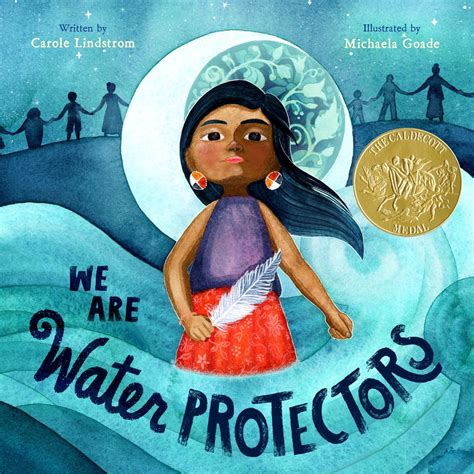
Book Extension: We Are Water Protectors
Big-Picture Questions
- What does this story teach us about water?
- Why do you think the author calls water “sacred”?
- What is a “water protector”? What do they do?
- Why might people be called to protect water today?
Connection to Science
- In our lesson, we learned about how liquid water formed on Earth billions of years ago. Why is it important that Earth has water at all?
- Why do you think water is so important for both life and culture?
- What do you think the Earth would be like without water?
Cultural Reflection
- This story is inspired by Indigenous peoples. why do you think Indigenous communities often speak up about protecting the Earth?
- What can we learn from Indigenous stories and voices about how to care for the land and water?
- How does this book feel different from a science book? Why do we need both?
Personal Reflection
- What can you do to protect water, even in small ways?
- If you were a water protector, what would your sign say? What would you want others to know?