
Literature Extension: Human Migration & Wayfinding
Read:
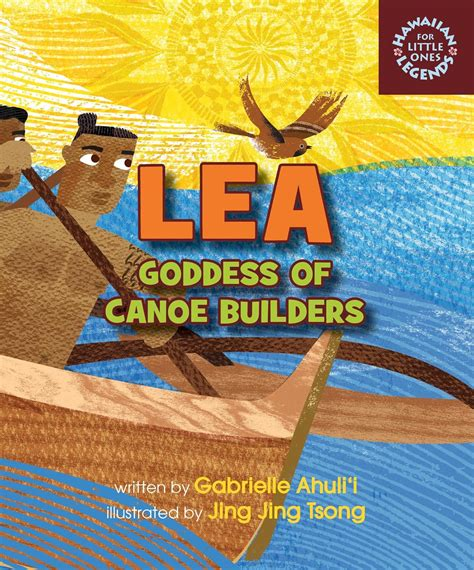
- Lea: Goddess of Canoe Builders by Gabrielle Ahuli‘i
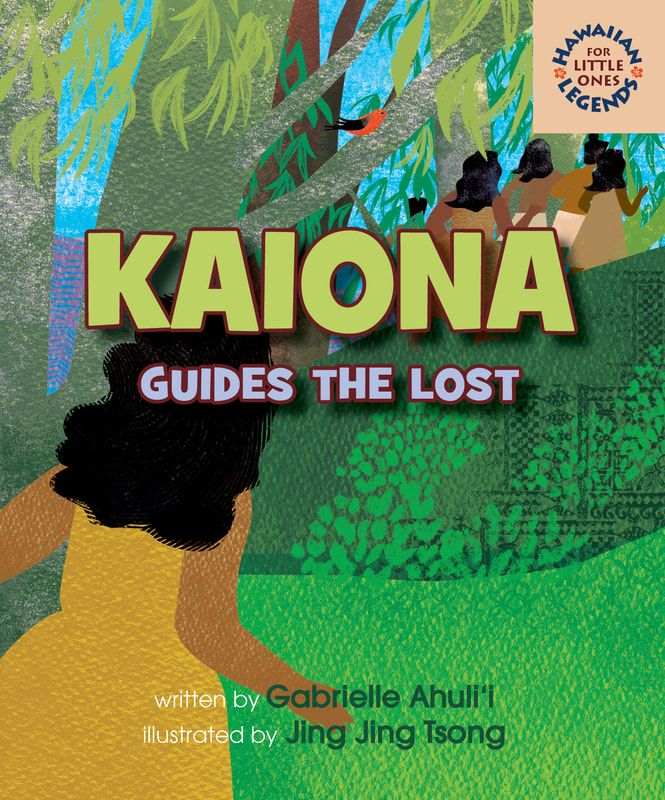
- Kaiona Guides the Lost by Gabrielle Ahuli‘i
Goal
Learners will hear stories that show how people traveled across oceans and landscapes using knowledge, tools, and guidance. They will imagine what it takes to move into unknown places and connect these stories to how humans migrated and adapted to live all over the world.
1. What Is Migration?
“A long time ago, people did not live everywhere on Earth yet. Humans had to move to new places to find food, safety, and homes. This movement of people is called migration. How do you think people traveled long ago?”
Allow learners to respond freely (walking, boats, animals, following others).
2. Imagine Traveling Without Maps
“Imagine you want to travel to a new place, but there are no maps, no signs, and no roads. You can only use what you know, what you see, and what others have taught you.”
Pause and ask:
- “What would you need to pay attention to?”
- “Who would you want with you?”
Read Lea: Goddess of Canoe Builders by Gabrielle Ahuli‘i.
Before reading, say:“This story comes from Hawaiian culture and shows how people learned to build canoes so they could travel across the ocean.”
4. Talk About the Story
Ask:
- “How do people travel in this story?”
- “Why is building a canoe important?”
5. Read Kaiona Guides the Lost
Read Kaiona Guides the Lost by Gabrielle Ahuli‘i.
Before reading, say:“This story is about someone who helps others find their way by understanding the land.”
6. Talk About Being Lost and Being Guided
Ask:
- “What happens when people are lost in this story?”
- “How does Kaiona help them?”
7. Connect the Stories to Human Migration
Say:“Humans did not move across the world in only one way. Some walked across land. Some traveled by boat. Some followed coastlines. All of them needed knowledge, planning, and help from others.”
Ask:
- “What do both stories teach us about surviving a journey?”Guide learners toward ideas like learning from others, paying attention, and working together.
8. Imagination Time: Traveling to a New Place
Ask learners to close their eyes and imagine:“You are traveling to a place you have never been before. There are no signs or maps. What do you look for to help you know where to go?”
Invite them to describe what they imagine seeing (sun, water, mountains, paths, people).
9. Tell a Migration Story
Help learners tell a simple story aloud:
- “Where were you going?”
- “How did you travel?”
- “Who helped you?”
- “What helped you find your way?”
10. Closing
Say:“Stories like these show how humans learned to live in many different places. By building tools, learning from nature, and sharing knowledge, people were able to travel, migrate, and make homes all over the world.”