
The Great Wave and Tectonic Tsunamis
Content Warning for Caregivers and Educators:
This lesson includes discussion of natural disasters, specifically tsunamis and earthquakes, which are caused by tectonic plate movement. Students will learn how these powerful natural events can impact communities, cause destruction, and result in loss of life.
While the focus is on the science behind these events and the artistic representation of natural forces, some learners may find the topic emotionally triggering, especially if they have personal experience with disasters, displacement, or related trauma.
Please preview the lesson and consider:
- Offering support for students who may feel anxious.
- Framing discussions with reassurance about safety, science-based monitoring systems, and the resilience of affected communities.
- Allowing students to opt out of more intense segments or visual media if needed.
Let learners know:
"We’re learning about how Earth changes over time and how people use art and science to understand the world around them. Some of these natural changes can be powerful or even scary, but we’re learning in a safe space, and it’s okay to talk about how it makes us feel."
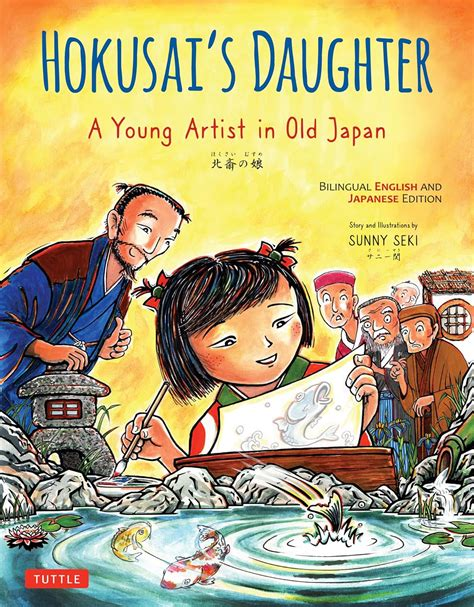
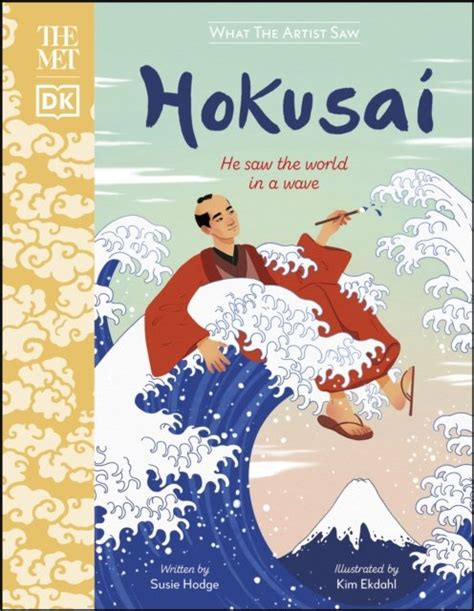
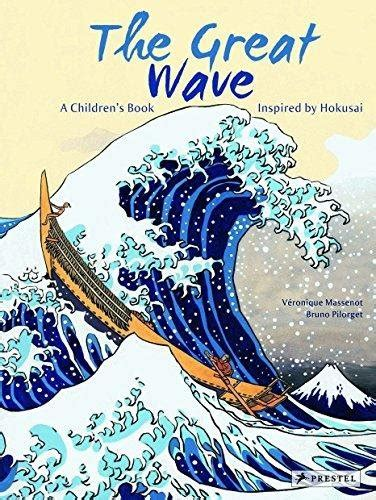
Picture Books:
- Hokusai's Daughter: A Young Artist in Old Japan by Sunny Seki
- The Met Hokusai: He Saw the World in a Wave by by Susie Hodge
- The Great Wave: A Children's Book Inspired by Hokusai by by Veronique Massenot
Explore the artistic depiction of natural power in The Great Wave off Kanagawa by Hokusai, understand how tectonic plate movements cause earthquakes and tsunamis, and analyze their broader environmental and their impacts on society.
Step 1: Artwork Introduction
- Show The Great Wave print.
- Discuss emotions it evokes and what the wave might represent physically and symbolically.
- Explain how sudden movement of tectonic plates under the ocean causes displacement of water, leading to tsunamis.
- Use diagrams or animations to show plate boundaries (and subduction zones) responsible for these events.
- Show Japan’s position at convergent plate boundaries (Pacific Plate subducting under Eurasian and Philippine Sea Plates).
- Discuss why this causes frequent earthquakes and tsunamis.
- Compare how Hokusai’s wave captures both the beauty and danger of nature.
- Discuss how understanding plate tectonics helps communities prepare for natural disasters like tsunamis.
Materials:
- Blue and white tempera or watercolor paint
- Construction or watercolor paper (white, blue, black optional)
- Oil pastels or crayons (white is essential)
- Brushes and/or sponges
- Optional: collage materials (torn paper, tissue paper, foil for waves), glue
- Black fine-tip pens or markers for detailing
- Reference print of The Great Wave off Kanagawa
- Show The Great Wave. Ask: What do you notice? What shapes make up the waves? How do you think people would feel seeing a wave this big?
- Level 2: Discuss the connection between tsunamis and earthquakes under the ocean (plate tectonics refresher).
- Lightly sketch a large curling wave that dominates the page.
- Optional: Add boats, mountains in the distance (like Mt. Fuji), or stormy clouds.
Level 1:
- Use crayons to draw thick white foam on the wave tops.
- Paint over with watercolor or watered-down tempera in blues and purples.
- Optional: Sponge or finger-paint for added movement.
- Mix paint and torn paper to create layered waves.
- Use pastels or crayon resist to add movement lines and textures.
- Paint sky with stormy tones (greys, blues, violets).
Optional Writing Prompt
Write 1–3 sentences or a short paragraph to accompany your art:
- Level 1: "My wave is big because…"
- Level 2: “My wave was caused by an earthquake because…”
- Compare your wave to Hokusai’s: What’s the same? What’s different?
Level 1 Key Points
- Big waves can be very strong and scary.
- Earthquakes under the ocean can make big waves called tsunamis.
- Earth is made of big plates that move and sometimes bump.
- Tsunamis happen when tectonic plates under the ocean suddenly move and push water.
- Japan is on two tectonic plates, which makes earthquakes and tsunamis common there.
- The Great Wave shows the power of the ocean and nature.