
Wings of Air:
Myths of Flight
Big IdeasScience Connection
Before diving into stories:Stories That Soar 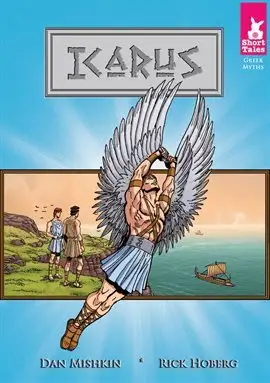
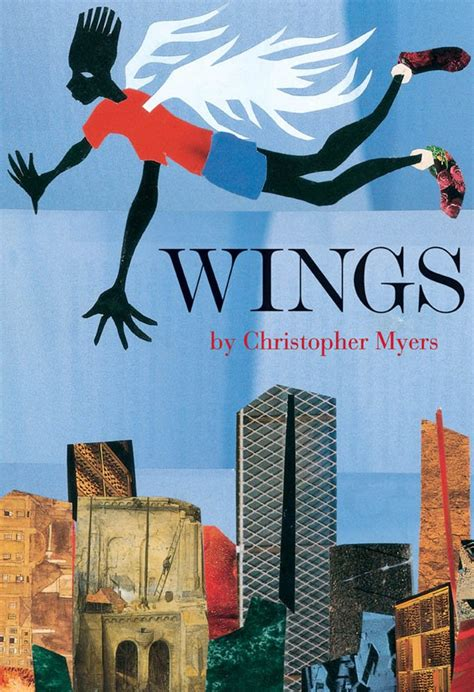 2. Wings by Christopher Myers
Activity Options
A. Flight & Oxygen Connection Art
Wrap-Up
- Oxygen made it possible for life on Earth to grow, move, and eventually fly.
- People have always dreamed of flying—sometimes to escape, sometimes to rise.
- Stories like Icarus and Wings help us think about freedom, risk, and resilience.
Before diving into stories:
- Briefly explain that Earth didn’t always have breathable oxygen.
- Over billions of years, tiny organisms released oxygen, changing the atmosphere.
- Once there was enough oxygen, animals could grow larger—and eventually some could fly.
- Flight requires energy—and oxygen fuels energy.
- Why do you think flying was such a big deal for life on Earth?
- Why do we dream about flying?
- Flight as invention, escape, hubris
- Icarus flies too close to the sun, ignoring his father’s warning. His wings melt, and he falls.
2. Wings by Christopher Myers- Flight as difference, identity, hope
- A boy with wings is bullied for being different. A bystander finds the courage to speak up.
- What do the characters in each story do with their wings?
- What emotions are tied to flight?
- Why do people in real life dream of flying?
- How are the dangers of flight different in each story?
- What are some ways people “fly” without leaving the ground? (e.g., imagination, art, bravery)
- Fold a paper in half.
- On one side: draw early Earth before oxygen
- On the other: draw Earth after oxygen, with flying insects, birds, or dreamers like Icarus and Icarus.
- Add speech bubbles or captions explaining how oxygen changed life.
- “My wings mean _________.”
- Prompt learners to write a short story or poem using wings as a metaphor for something important to them (voice, creativity, identity, freedom).
- Why do you think oxygen helped unlock so many new possibilities on Earth?
- What do wings and flight teach us—not just in science, but in stories?