
Trickster Tales
Cleverness, Chaos, and Consequences
Big Ideas
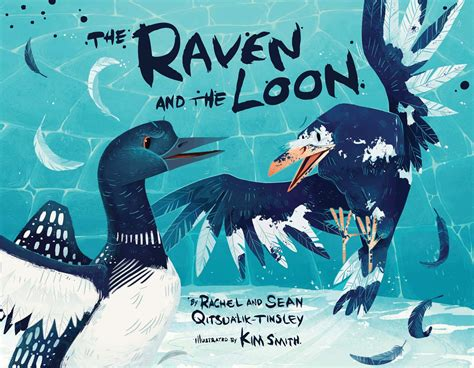
Raven and the Loon by Rachel Qitsualik-Tinsley and Sean Qitsualik-Tinsley
Inuit myth explaining how Raven and Loon got their appearances—full of teasing, impatience, and creativity.
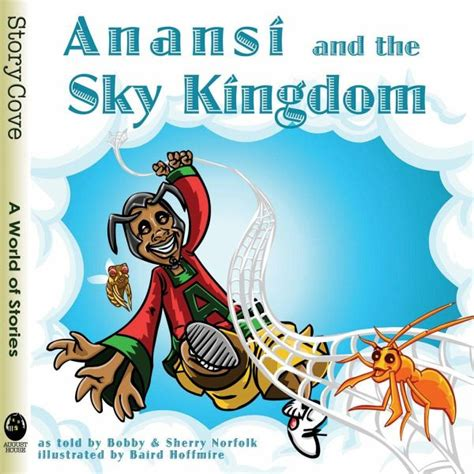 Anansi and the Sky Kingdom by Bobby and Sherry Norfolk West African folktale
Anansi tricks others and tries to take credit for bringing light, with classic trickster energy and some big moral consequences.
Who or What Is a Trickster?
Raven and the Loon
Anansi and the Sky Kingdom
Compare & Contrast Tricksters
Activity Options
A. Create Your Own Trickster
Draw or write about a new trickster character: There's a printable with a few options attached.
Act out or puppet a short trickster tale—can be retelling one of the books or an original creation. Add costumes, masks, or funny voices.
Wrap-Up
Optional Extensions
- Trickster tales are found in many cultures around the world.
- Tricksters use cleverness or mischief to get what they want—but not always without consequences.
- These stories often explain how things came to be or teach a lesson in a funny, unexpected way.
Raven and the Loon by Rachel Qitsualik-Tinsley and Sean Qitsualik-Tinsley
Inuit myth explaining how Raven and Loon got their appearances—full of teasing, impatience, and creativity.
Anansi and the Sky Kingdom by Bobby and Sherry Norfolk West African folktaleAnansi tricks others and tries to take credit for bringing light, with classic trickster energy and some big moral consequences.
- What do you think a “trickster” is?
- Can tricksters be good? Bad? Somewhere in between?
- Do you know any trickster characters? (Loki, Bugs Bunny, Puss in Boots, etc.)
- What did Raven and Loon each want?
- Why didn’t Raven wait?
- What lesson (if any) do you think this story teaches?
- What do we learn about nature in this tale?
- What clever things does Anansi do?
- Is he a hero? A villain? Something else?
- What does the Sky Kingdom represent?
- Who actually brings the light—and what does that mean?
- Who do you like better—Raven or Anansi? Why?
- Do all tricksters succeed? What makes a “good” trickster?
Draw or write about a new trickster character: There's a printable with a few options attached.
- Animal? Person? Microbe?
- What do they want?
- What clever (or chaotic) thing do they do?
- What’s the outcome?
Act out or puppet a short trickster tale—can be retelling one of the books or an original creation. Add costumes, masks, or funny voices.
- What do trickster stories help us learn?
- Is it always bad to break the rules?
- Why do so many cultures have tricksters in their stories?
- Read other tricksters: Coyote (Indigenous), Maui (Polynesian), Eshu (Yoruba), Loki (Norse)
- Compare tricksters from different cultures—what's similar? What changes?