
Turtle Myths and Shifting Earth
- Indigenous people of North America have traditional stories—like the Turtle Island creation story—that explain how the Earth formed.
- These stories hold deep cultural meaning and reflect respect for land and life.
- Scientific explanations like plate tectonics can exist alongside cultural stories.
 Materials
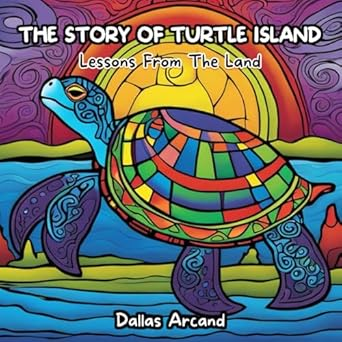
- The Story of Turtle Island by Dallas Arcand, illustrated by Faizon S
- Map or globe
Opening Discussion – What is Turtle Island?
Prompt:
- “Have you ever heard the name Turtle Island?”
- “What do you think it means?”
- “Why might someone tell a story about a turtle holding the Earth?”
Turtle Island is a name many Indigenous peoples use for what others call North America. It comes from stories told by Nations such as the Haudenosaunee and Anishinaabe, and others. These stories often involve a great flood and animals helping to create land on the turtle’s back.
Read-Aloud – The Story of Turtle Island
After reading:
- What happens in the story?
- How is the land created?
- What role does the turtle play?
- What values or lessons does the story share?
Science Connection – Plate Tectonics
- Scientists explain landforms using plate tectonics—giant slabs of Earth's crust that move very slowly.
- Earthquakes, volcanoes, and mountains happen because of this movement.
- North America is on the North American Plate.
- In the story, land is built on a turtle.
- In science, land rests on tectonic plates.
- Can both be important? What does each explain?
Activity Options
A. Turtle Island Craft
- Draw or use a turtle shell template.
- Inside the shell, draw the land, water, animals, and people.
- Around the edge, write ways to take care of the land (respect, water, balance, etc.).*** Don't include sacred symbols, regalia, or try to mimic spiritual practices. This is using a drawing of Turtle Island as a way to process the story and connect with the idea of land stewardship. This is not our story to tell as if it’s ours—but we are listening to it, learning from it, and thinking about how it teaches respect for the land.
Turtle Island StoryPlate TectonicsWhat is land on?Turtle’s backGiant moving platesWho creates land?Animals & water spiritsNatural processesType of knowledgeStory, traditionObservation, evidenceWhat we learnRespect for landHow the Earth changes
Wrap-Up
- What did you like about the Turtle Island story?
- How do Indigenous stories help us care for the Earth?
- What’s one way you can show respect for Turtle Island?