
Monsters & Multicellular Life
- As life became more complex, so did the stories humans told about the world.
- Monsters in myths and folktales often reflect fears, imagination, and cultural beliefs.
- Just like multicellular life brought strange new creatures into the world, stories brought strange new beings into our minds.
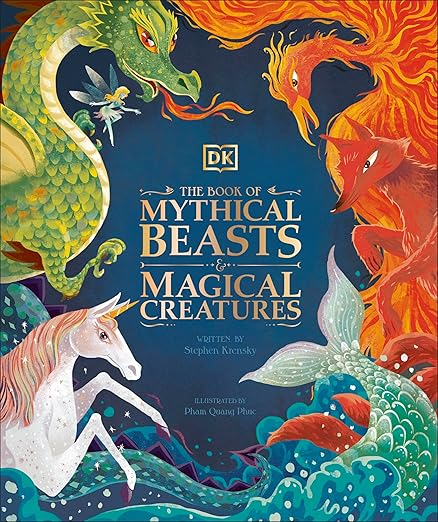 The Book of Mythical Beasts and Magical Creatures
Reference-style with global creatures like chimeras, nagas, bunyips, etc. Great for browsing or picking a few to compare.
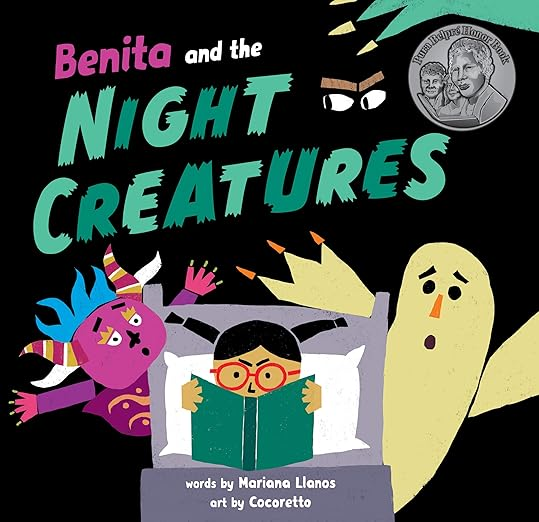 Benita and the Night Creatures by Mariana Llanos
Peruvian girl loves books and must outwit monsters from Latin American folklore—funny and clever, encourages bravery and reading.
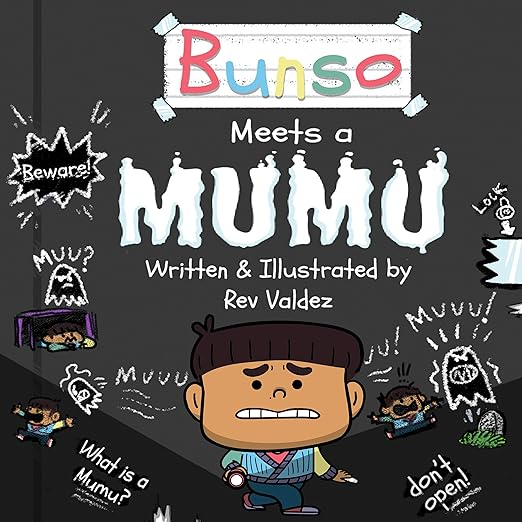 Bunso Meets a Mumu by Rev Valdez
Filipino tale with a young child encountering a mumu (a ghostly creature) portrayed with cultural depth and family warmth.
- Briefly introduce how multicellular life changed the world.
- Life used to be just tiny single cells—but when they started working together, strange new body forms appeared.
- Some of Earth’s earliest creatures looked like aliens or monsters to us:
- Opabinia, Hallucigenia, Anomalocaris
- These were real “monsters” of deep time—living in oceans long before dinosaurs.
- Why do you think people started imagining monsters in stories?
- Do you think it was a way to understand the unknown?
Benita and the Night Creatures
- What kind of monsters does Benita meet?
- How does she deal with them?
- Are they scary, silly, or misunderstood?
- Why do you think this story encourages us to read books?
- What is a “mumu”? How is it shown in the story?
- What does Bunso learn from this encounter?
- Is it a story about fear, family, or both?
- What does this story show us about Filipino culture?
Let kids pick 1–3 creatures to explore and report on:
- Where is the creature from?
- What does it look like?
- What does it represent or protect?
- Compare: Which monsters protect? Which ones harm? Which ones are both?
A. Design a Multicellular Monster
- Use what you’ve learned about early life (tentacles, eyes, weird limbs) to design your own myth-inspired “first monster.”
- Give it a name, a backstory, and what it's the guardian of (or afraid of!).
- Optional prompt: What if multicellular life could think? What story would it tell about the world?
- Write or draw a short story about where a monster came from.
- Prompts:
- A creature born from moonlight and seaweed
- A monster that lives between breaths
- A being made when the first cells tried to become something more…
- What makes something a “monster”?
- Are monsters always bad?
- What do monsters help us understand—about the world, or about ourselves?
- How is imagining monsters like imagining new kinds of life?
- Present cultural creatures like the mumu or El Cuco as real parts of the stories people have told for generations: treat them with curiosity and care, not as Halloween decorations.
- Emphasize that monsters carry meaning, not just fear.