
Water Myths and Flood Stories
Big Ideas
- Water has always been powerful and mysterious, so many cultures created stories about great floods.
- These stories often teach lessons about survival, rebirth, or human choices.
- Myths about water help us understand how different peoples view their relationship to nature.
 Read:
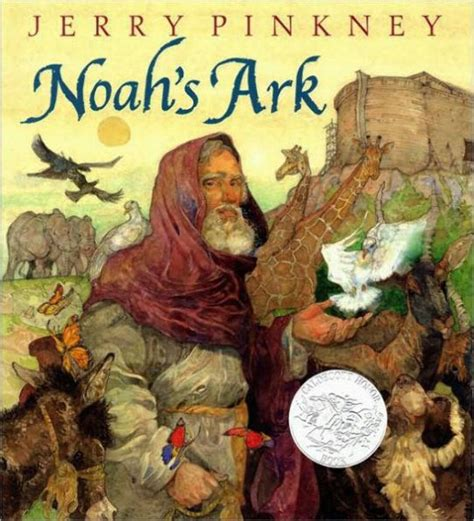
Read:- Noah’s Ark by Jerry Pinkney (abrahamic flood story, retold in rich illustrations)
- Cleansing the World: Flood Myths Around the World by Blake Hoena illustrated by Silvio
- https://www.greekmyths4kids.com/zeusflood.html
Opening Discussion: Water as Life and Danger
- What do you think of when you think about water?
- How can water give life? How can it take it away?
- Why do you think so many people around the world tell stories about floods?
Read-Aloud: Noah’s Ark by Jerry Pinkney
- Why did the flood happen in this story?
- What kinds of things were saved? What wasn’t?
- What does the rainbow mean at the end?
- How did this story make you feel?
Compare to Other Flood Myths (Optional Expansion)
If adding another myth:
- What’s similar between Noah’s Ark and this other flood story?
- What’s different? (Different gods? Animals? Reasons for the flood?)
- What do the stories teach about humans and nature?
Activities
A. Flood Myth Compare Chart
| Element | Noah's Ark | Second Story |
| Who caused the flood? | ||
| Why was there a flood? | ||
| Who was saved? | ||
| How did they survive? | ||
| What happened after? | ||
| What lesson is taught? |
B. Create Your Own Flood Myth
Prompt:“Imagine you are living long ago and see a big flood. You decide to tell a story about how it happened. Was it a warning? A restart? A gift? Who saves the world?”
Younger learners can draw their story in 3-4 scenes. Older learners can write a short narrative.
Wrap-Up
- Why do you think water is in so many powerful stories?
- How does the science of water on Earth connect to these old stories?
- Can stories about water help us think differently about protecting it today?